The Directorate for Investigating Organized Crime and Terrorism (DIICOT) signed a contract worth more than 1.67 million lei this spring with Tinmar Energy for the supply of electricity to its headquarters and territorial offices.
According to documents published in SEAP (the Electronic Public Procurement System), the framework agreement between DIICOT and Tinmar Energy was signed on April 29, 2026, and has a total value of 1,670,852 RON excluding VAT. On the same day, the Anti-Mafia Prosecutor’s Office also purchased the first quantity of electricity under the contract, worth approximately 788,000 lei. The agreement is valid for one year.
The contract covers electricity supply for DIICOT’s headquarters in Bucharest, located on Sfânta Vineri Street, as well as the institution’s territorial services and offices in Alba, Bacău, Buzău, Călărași, Cluj, Covasna, Dâmbovița, Galați, Iași, Maramureș, Neamț, and Vaslui counties.
The Bucharest headquarters consumes five times more electricity than the territorial offices
The contract was divided into two lots:
- medium-voltage electricity for the central headquarters;
- low-voltage electricity for the territorial structures.
For its Bucharest headquarters, DIICOT estimated a maximum consumption of 1,581,000 kWh, while the territorial units were estimated to consume approximately 375,000 kWh. The institution has already signed its first implementing contract with Tinmar Energy, worth approximately 788,630 lei excluding VAT and valid until December 31, 2026.
The procurement was carried out through an open tender procedure and was published in the Official Journal of the European Union. The tender documentation specified that DIICOT requested electricity supply “under optimal safety and performance conditions,” necessary for the functioning of the institution responsible for investigating organized crime, drug trafficking, human trafficking, and terrorism cases.
The contract was signed during the mandate of DIICOT’s new chief prosecutor, Codrin-Horațiu Miron
DIICOT’s current chief prosecutor is Codrin-Horațiu Miron. He was appointed by President Nicușor Dan in April 2026 for a three-year term that began on April 15, 2026. Consequently, the contract with Tinmar was signed during his tenure. At the same time, it is equally true that the tender notice had been published in SEAP in March.
Before his appointment, Codrin Miron served as head prosecutor of a DIICOT service in Timișoara and participated in the Ministry of Justice’s selection procedure for senior prosecutorial positions.
Previously, the position had been held by Alina Albu, who led DIICOT from 2023 to 2026 and sought a new term.
DIICOT’s management initially did not respond to questions regarding whether the contract represented a conflict of interest or at least an unfortunate decision to sign an agreement with a company under investigation by the same institution.
“I do not believe such a contract affects the investigation, but it is an unfortunate decision, as you suggest. It is a free market, but a prosecutor’s office such as DIICOT should be careful about its public image,”
a former head of the Anti-Mafia Prosecutor’s Office told NewsCenter.ro.
The leadership of the Anti-Mafia Prosecutor’s Office explained that the public procurement department operates separately from the body of prosecutors.
“With regard to the electricity supply contract, we specify that public procurement procedures are carried out in accordance with the applicable legal framework by the competent specialized department, in compliance with the principles governing public procurement,”
the institution stated in a written response.
“We also specify that criminal investigations are conducted exclusively in accordance with the provisions of the Criminal Procedure Code, with full respect for the legal guarantees applicable to this procedural stage, and that the existence of administrative or contractual legal relationships concluded in accordance with the law does not affect the handling of the criminal case,”
the response sent to NewsCenter.ro further stated.
One of Romania’s largest energy traders
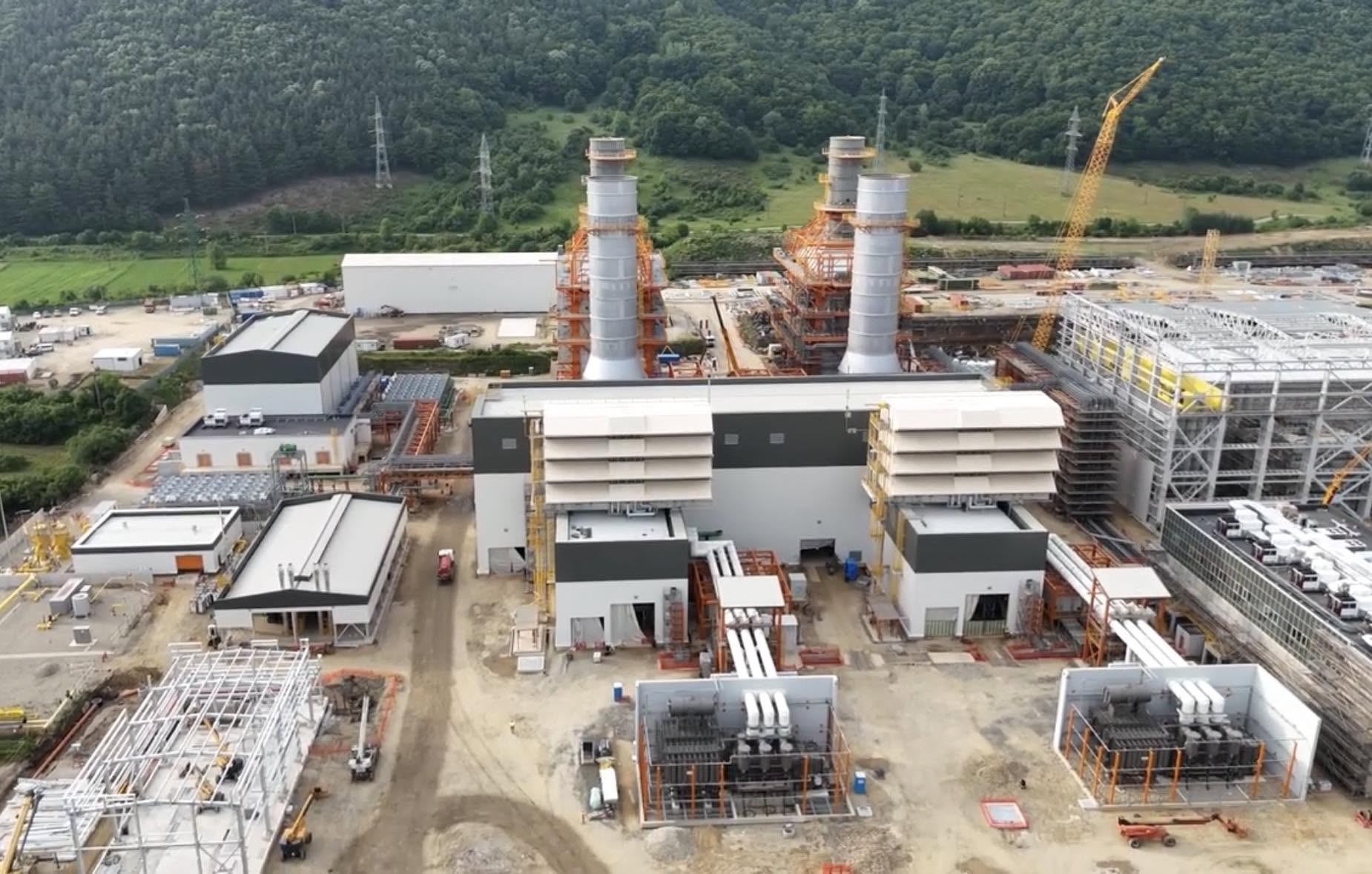
Tinmar Energy is one of Romania’s largest electricity suppliers and traders and one of the most active participants on the OPCOM energy markets. The group is involved in both electricity supply and trading, as well as investments in renewable energy production. Augustin Oancea is the businessman who controls the group.
In recent years, the company has won numerous public contracts to supply electricity to state institutions, local administrations, and public companies.
According to 2024 financial data—the latest available, as 2025 figures have not yet been published—the turnover of the companies within the group reached approximately 3 billion lei. Tinmar Energy, Solprim, Eye Mall, AMV Solar, and Martin Oil Energy are among the most important companies in Augustin Oancea’s Tinmar Group.